Human-centered
knowledge for
the path to
autonomy.
A structured framework built from real-world
support and practice—sharing what works,
so more people can thrive.
Many people lack the support
and knowledge to take charge.
From education and employment to social participation,
many still face barriers that limit their potential.
We work alongside communities to change that—
building pathways toward autonomy and well-being.

02 THE SCALE
Too many young people
in Japan are unable to
pursue an autonomous life.
School refusal, social withdrawal, and prolonged disengagement are complex issues affecting hundreds of thousands of children, youth, and their families.
-

SCHOOL REFUSAL
353,970+
Elementary and junior high school students classified as school-refusing in FY2024.
Source: MEXT, FY2024
-
HIKIKOMORI / SOCIAL WITHDRAWAL
1.46M
Estimated number of people aged 15–64 living in hikikomori (social withdrawal) in Japan.
Source: Cabinet Office, FY2022 Survey
-
WITHOUT PROFESSIONAL SUPPORT
135,724
School-refusing students not receiving professional consultation or guidance through schools or external institutions.
Source: MEXT, FY2024


03 OUR MISSION
From decades of practice
to a framework
for autonomy.
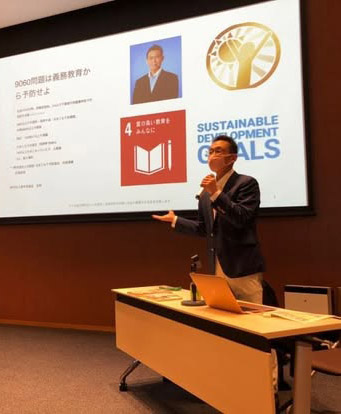
JADA draws on more than four decades of real-world support practice to develop structured knowledge for families, practitioners, and society.
By bringing together real-world practice, accumulated knowledge, and a human-centered philosophy, JADA supports young people in working toward greater autonomy and shares this knowledge with those who support them.
-
40+ YEARS
OF PRACTICEMore than four decades of direct support for young people and families in Japan.
-
PRACTICE-INFORMED KNOWLEDGE
Knowledge shaped by decades of real-world practice, accumulated experience, and ongoing learning.
-
HUMAN-CENTERED
PHILOSOPHYRespecting each individual’s potential and supporting their unique journey to autonomy.
-
KNOWLEDGE FOR GLOBAL EXCHANGE
Sharing knowledge from Japan and connecting with researchers, educators, practitioners, and organizations around the world.
04 AUTONOMY STAGE OS
A framework to understand
the current situation.
Autonomy Stage OS is JADA’s framework for understanding the current situation of young people and families facing school refusal and social withdrawal (hikikomori). Within it, the 5-Stage Assessment identifies current severity and the level of support needed.
Explore Autonomy Stage OS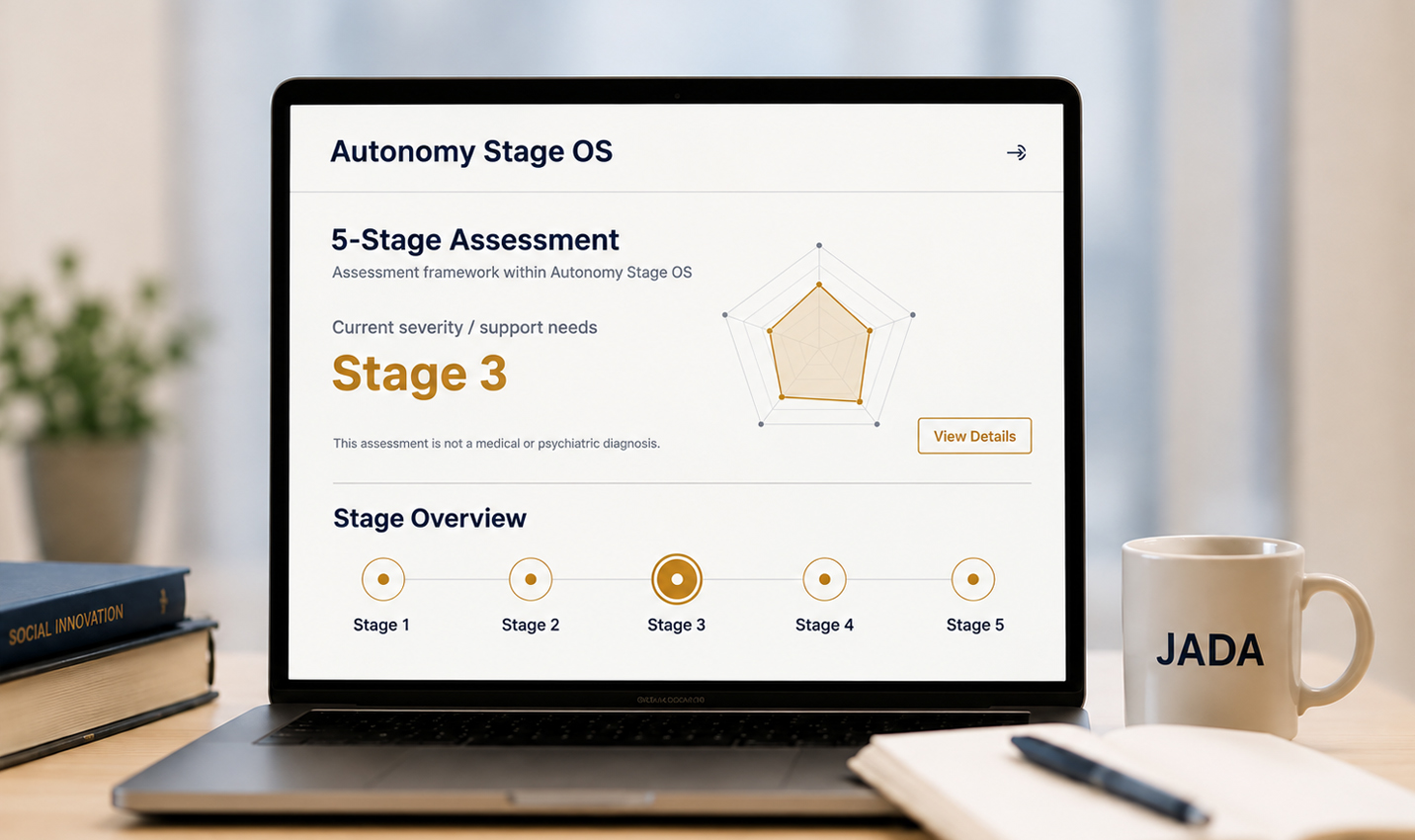
5-STAGE ASSESSMENT
The 5-Stage Assessment identifies the current severity, current situation, and level of support needed.
-
Stage 1
-
Stage 2
-
Stage 3
-
Stage 4
-
Stage 5
UNDERSTAND THE CURRENT SITUATION.
IDENTIFY SUPPORT NEEDS.
The 5-Stage Assessment helps practitioners and families understand the current severity and situation, and identify the level of support needed.
05 JADA SUPPORT PHILOSOPHY
Every young person
has the potential
to develop greater autonomy.
JADA Support Philosophy brings together Parent Coaching and Direct Support for the Young Person as complementary forms of support. Grounded in human potential and real-world practice, this approach supports young people and families in working toward greater autonomy.
Explore JADA Support Philosophy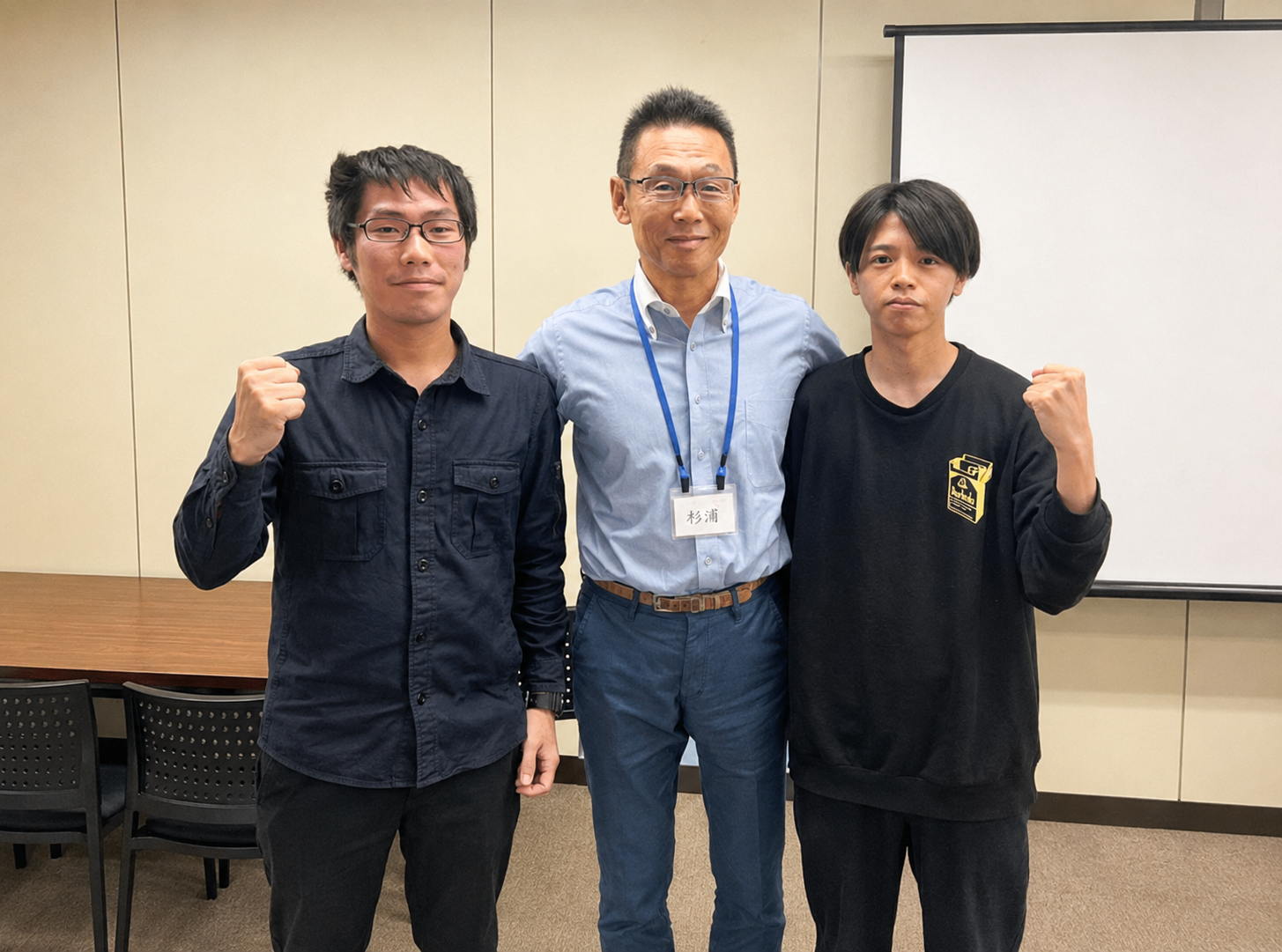
CORE PRINCIPLES
-
HUMAN-CENTERED
We see each young person as a whole individual, not just their challenges. Dignity and respect come first.
-
PRACTICE-INFORMED
Our approach is shaped by decades of real-world practice, accumulated experience, and ongoing learning.
-
FAMILY-INCLUSIVE
Families are key partners. We support the family as a whole, not only the individual.
-
STRENGTHS-FOCUSED
We build on existing strengths and resources to grow confidence and capability.
-
SOCIETY-CONNECTED
We work toward a society where every young person can belong, participate, contribute, and thrive.
FROM PHILOSOPHY TO
CONCRETE SUPPORT.
The 7 Steps to Autonomy translate JADA Support Philosophy into a practical support process.
See how we support06 7 STEPS TO AUTONOMY
JADA’s practical
support process.
The 7 Steps to Autonomy translate JADA Support Philosophy into a practical support process, guiding support according to each person’s current situation and support needs.
Explore the 7 Steps to AutonomySTEP 1
Parent Coaching & Stage Assessment
STEP 2
Outreach
STEP 3
Lifestyle Improvement & Environmental Adjustment
STEP 4
Learning Support
STEP 5
Building Social Connections
STEP 6
Pathway & Social Participation Support
STEP 7
Social Autonomy
For parents and families
Understand the support journey and gain clarity about how to move forward.
For practitioners
Use a shared language to plan support, guide practice, and review progress over time.
For young people
Recognize progress, build confidence, and shape your own path forward.
07
JADA SUCCESS HUB / EVIDENCE
Evidence. Experience. Impact.
Built on more than four decades of
real-world practice.
JADA draws on more than four decades of direct support practice,
experience supporting more than 10,000 young people,
and accumulated outcomes, publications, media engagement, and professional knowledge.
-
40+
YEARS OF PRACTICE
More than four decades of direct support, practice, and accumulated experience.
-
10,000+
YOUNG PEOPLE SUPPORTED
More than 10,000 young people supported through decades of practice in Japan.
-
OUTCOMES
REAL-WORLD CHANGE
Documented journeys toward renewed participation in education, work, relationships, and community life.



-
SUCCESS STORIES
Real Journeys. Real Change.
Real-world stories of young people and families navigating different paths toward autonomy.
-
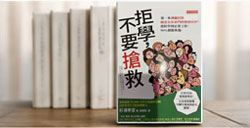
BOOKS & PUBLICATIONS
Knowledge for Practice.
Books and publications sharing insights developed through decades of practice in school refusal, social withdrawal, education, and autonomy.
-
MEDIA FEATURES
Sharing JADA’s Work.
JADA and Takanobu Sugiura have been featured in NHK, PIVOT, newspapers, magazines, and online media.
-
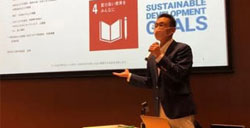
LECTURES & TRAINING
Sharing Knowledge.
Lectures, trainings, and seminars for parents, practitioners, educators, and communities.
-
RESEARCH & COLLABORATION
Building Knowledge Together.
JADA welcomes research and collaboration with universities, educators, practitioners, and organizations to share and develop knowledge for autonomy.



FROM PRACTICE
TO SHARED KNOWLEDGE.
JADA continues to document and share knowledge from real-world practice, supporting better understanding of pathways toward autonomy and social participation.
Explore the Success Hub
Autonomy is more than
independence. It is the ability to
choose, act, and connect.
-
Choosing one’s
own path -
Acting with
intention -
Connecting and
contributing


Different journeys.
Toward Social Autonomy.




10 FOUNDER / TAKANOBU SUGIURA
Founded by Takanobu Sugiura.
Built on more than four decades of practice.
For more than four decades, Takanobu Sugiura has worked directly with young people, families, and educational settings. His accumulated practice continues to inform JADA’s philosophy, frameworks, and approach to supporting autonomy.
THE RELATIONSHIP
TAKANOBU
SUGIURA
Experience &
Philosophy
JADA
Vision &
Mission
AUTONOMY
STAGE OS
Framework &
Practice

-
40+ YEARS
OF PRACTICE -
FOUNDER
OF JADA -
PRACTICE INFORMING JADA’S
AUTONOMY FRAMEWORK
-
AUTHOR
-
MEDIA
CONTRIBUTOR -
LECTURER &
TRAINER -
ADVOCACY &
LEADERSHIP -
GLOBAL KNOWLEDGE
EXCHANGE
Every young person has potential.
A belief shaped through more than four decades of direct practice.

11 GLOBAL VISION
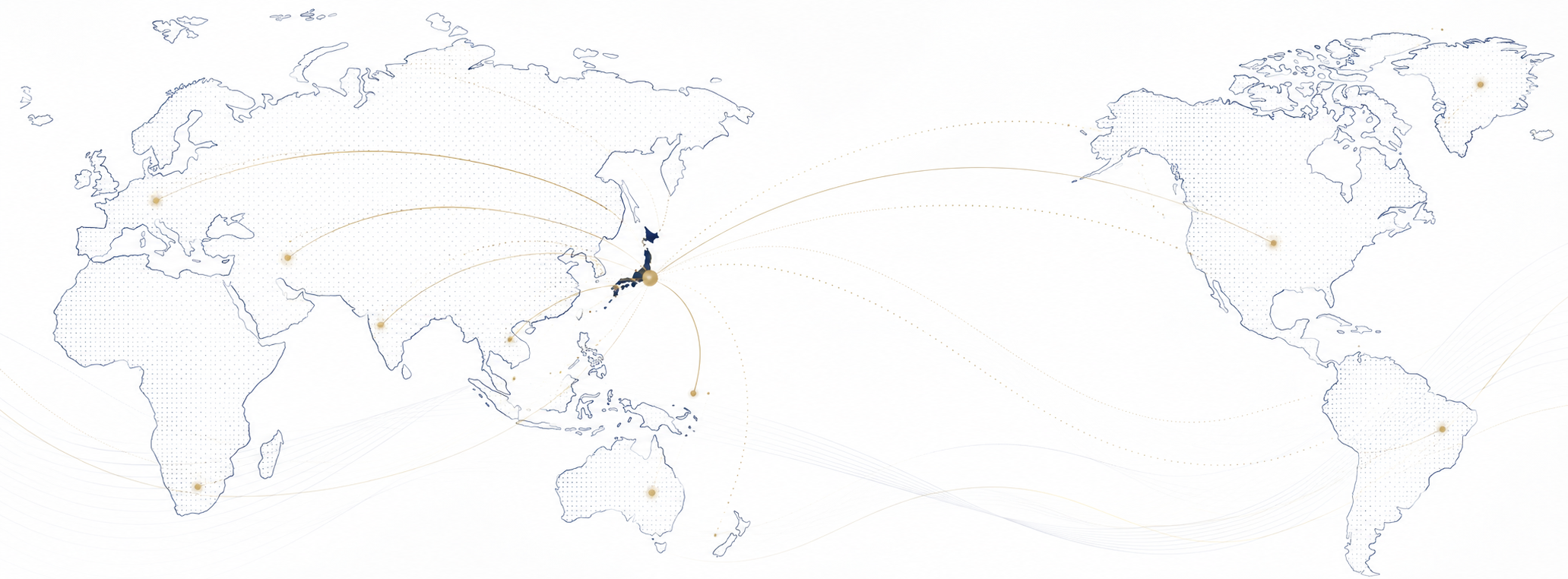
From Japan to the world.
A knowledge platform for autonomy.
JADA Global is a knowledge platform for sharing insights
developed through decades of real-world practice in Japan.
It brings together JADA’s frameworks, support philosophy,
outcomes, and accumulated knowledge to encourage dialogue
and collaboration across cultures, professions, and communities.
-
RESEARCH
Evidence, case studies, and outcomes drawn from real-world practice. Insights that contribute to better understanding of school refusal, social withdrawal, and pathways toward autonomy.
EVIDENCE & INSIGHT
-
EDUCATION
Frameworks, stage-based understanding, lectures, and training. Knowledge sharing that supports learning, professional development, and practical application.
LEARN & SHARE
-
SUPPORT
Practical approaches and guidance for families, practitioners, educators, and communities. Support that responds to each person’s stage, needs, and long-term development.
APPLY & SUPPORT
PROPOSAL TO THE GLOBAL COMMUNITY
Beyond school return. Beyond employment. Toward Social Autonomy.
JADA proposes that support for school refusal, high school dropout, and social withdrawal should look beyond immediate outcomes such as returning to school or entering employment. The longer-term goal is Social Autonomy—the capacity to make choices, participate in society, build meaningful roles, and contribute in ways that reflect each person’s circumstances and goals.