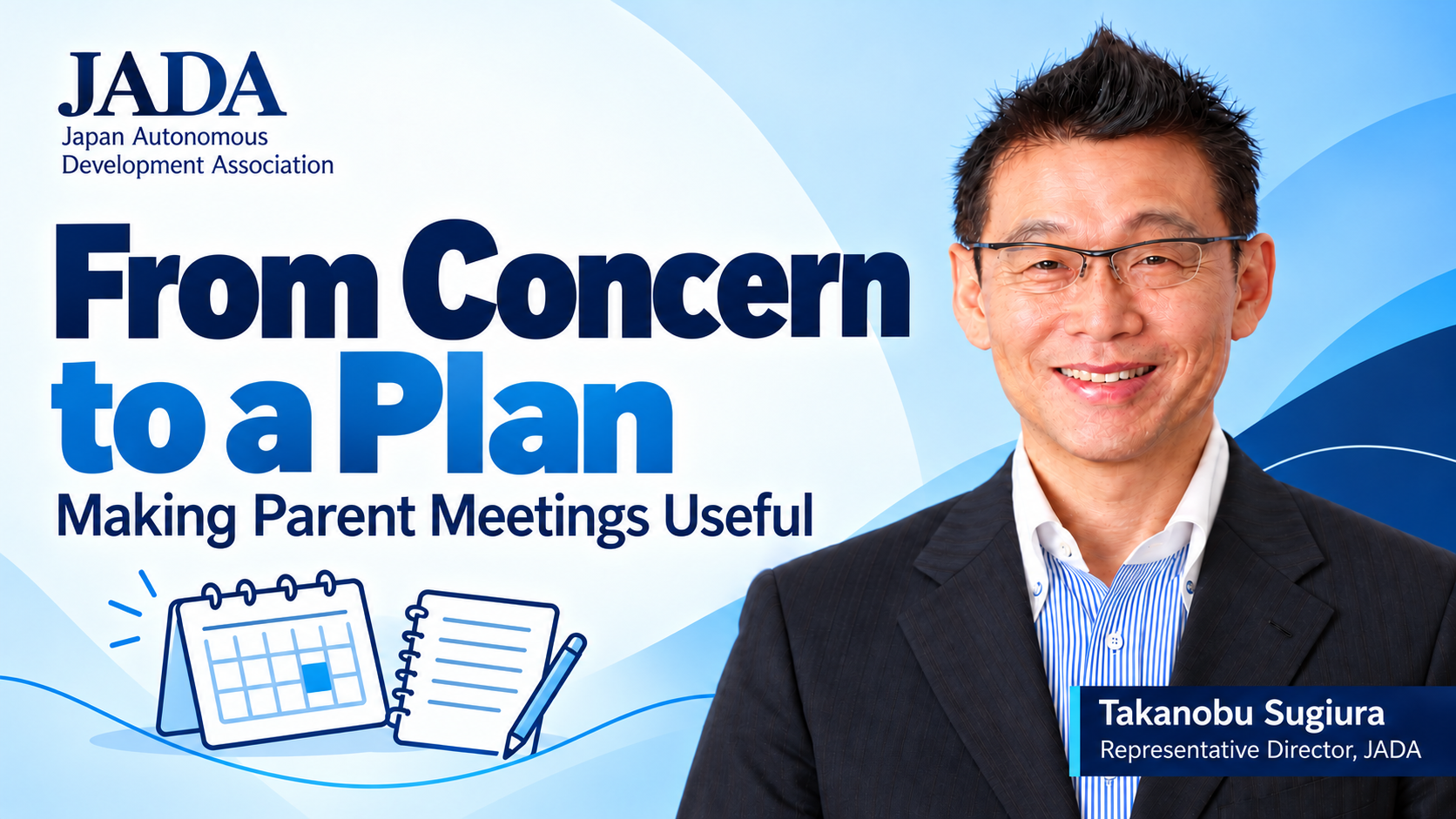
Parent meetings for school refusal can do more than provide reassurance. They can help families bring observations to a supporter, understand what is being proposed, and leave with a clearer question or next action.
The usefulness of a meeting is not measured only by how much advice is given. It also depends on whether participants understand who will do what after the conversation and how the plan can change when new information appears.
Prepare observations rather than a perfect explanation
Parents do not need to arrive with a complete account of why attendance became difficult. Bring a short description of what has changed, what remains possible, and what the young person has said they want.
Separate the parent’s concern from the young person’s words. For example, wanting to understand future options is different from a young person agreeing to a particular course. This distinction gives a supporter a more accurate starting point.
Give the meeting one practical purpose
Choose a question that can guide the conversation. It might concern a first introduction to a worker, a learning activity, communication at home, or preparation for a visit. A broad concern about the future can be acknowledged without trying to decide every later milestone at once.
Ask the supporter to explain the proposed action in everyday terms. What would happen, who would be involved, and what response would lead to a review? A plan is easier to discuss when the family can describe it afterward without specialist language.
Watch the related JADA Global video
Sugiura explains why he prioritized monthly parent meetings in his earlier free-school work: addressing parents’ concerns and learning about each family’s situation. He connects these meetings with outreach and practical support, while describing the decision to wait and observe as dependent on the individual situation. Organizational names and figures in the footage reflect its historical context.
Video: School Refusal: Building Support Through Monthly Parent Meetings | JADA
Channel: JADA Global. YouTube publication date: 2026-10-08. Speakers: Takanobu Sugiura.
Japanese-language content. The title and public description are in English. An English introduction is provided above; English audio and subtitles have not been verified. Publication on YouTube does not establish the date of the original recording.
Connect parent discussion with the young person’s support
JADA’s Support Philosophy is Parent Coaching × Direct Support for the Young Person. A parent meeting is not a substitute for understanding the young person’s own experience or providing practical help where needed.
JADA handles consultation, assessment, parent coaching, and comprehensive support planning. Kousotsu Shienkai is a separate organization providing direct learning and practical support. Ask how information and responsibilities are coordinated in the actual arrangement, rather than assuming that everyone attending a meeting has the same role.
Agree on what will be reviewed
A review can compare the proposed action with what actually happened. Was an introduction made? Was the explanation understood? Did the young person raise a concern that changes the plan? An activity that did not take place can still reveal a practical question needing attention.
This avoids turning the next meeting into a report on whether the young person met an adult’s expectation. The conversation remains about circumstances, support, and a next decision that the person can increasingly make for themselves.
Questions about parent meetings
Should parents compare their child’s progress with other families?
Other experiences can suggest useful questions, but they do not establish a deadline. Compare starting situations and support needs rather than only schools, qualifications, or employers. The Success Hub provides individual pathways to read in that way.
Does the historical video establish today’s meeting schedule?
No. It describes Sugiura’s earlier practice. Confirm the present format, timing, location, and participation arrangements directly with the organization.
What if the young person does not want personal details discussed in a group?
Ask what can be handled privately and how information is shared. A general question can be raised without identifying details. Discuss the young person’s preferences and the provider’s actual arrangements before assuming that everything belongs in a group meeting.
What parents can do today
- Prepare three observations and one question, keeping facts separate from interpretations.
- Note what the young person has agreed to and what is still undecided.
- Ask for a clear division between the family’s role and the supporter’s practical work.
- Write down one next action, its responsible person, and a review point.
For English-language Zoom consultation inquiries, email contact@jada-autonomy.jp with your country or time zone and a brief outline of your concerns, or use JADA’s English contact page.